Shoreditch man and van removals near Brick Lane
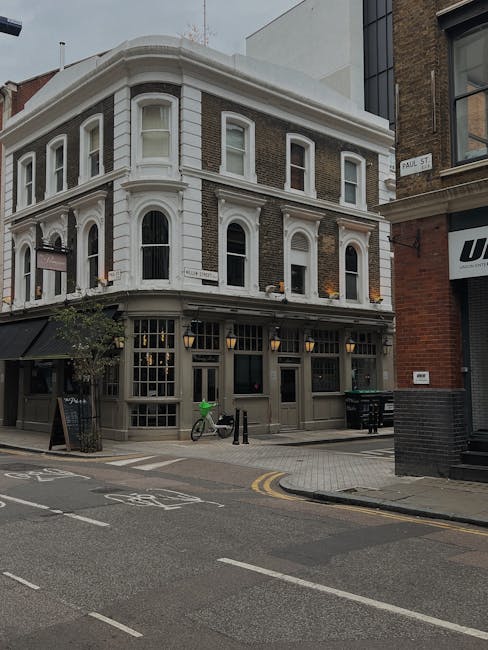
If you are planning a move around Shoreditch and Brick Lane, you already know the area has its own rhythm: tight streets, constant traffic, busy pavements, loading restrictions, and the usual London curveballs. That is exactly why Shoreditch man and van removals near Brick Lane can be such a smart choice. It is flexible, quick to arrange, and usually a much better fit than a large removal lorry for smaller or more awkward moves.
This guide breaks down what the service actually covers, how it works in real life, who it suits best, what to check before booking, and the mistakes people make when they rush. You will also find a simple checklist, a comparison table, and answers to the questions people ask most often. No fluff. Just the stuff that helps you move without the usual last-minute stress.
Why Shoreditch man and van removals near Brick Lane Matters
Moving near Brick Lane is not the same as moving in a quieter suburban street. The roads can be narrow, parking can be awkward, and timing matters more than people expect. One badly timed arrival can mean a van circling for ten minutes while you stand on the pavement trying to keep boxes dry. Not ideal.
That is where a local man and van style service makes sense. It is built for smaller loads, short-notice jobs, and urban moves where speed and access matter as much as lifting power. For many people, the real advantage is not just the vehicle. It is the combination of local knowledge, practical loading help, and a service that can adapt when the day goes slightly sideways, which, let's face it, happens a lot in London.
Brick Lane also sits in a part of East London where people move for lots of different reasons: a new flat, a studio swap, a new office, student accommodation, furniture bought from a local seller, or a same-day collection. The service matters because it meets those everyday needs without making the move feel bigger than it needs to be.
Expert summary: If your move is local, time-sensitive, and involves a manageable amount of furniture or boxes, a Shoreditch man and van service is often the most efficient option. It is especially useful where access is tight and flexibility counts.
For bigger or more complex moves, you may still want a broader removals service, but for many Brick Lane moves, the lighter-touch approach is the sensible one.
How Shoreditch man and van removals near Brick Lane Works
At a practical level, the service is straightforward. You tell the provider what needs moving, where it is going, and what sort of access they will have at both ends. From there, the job is matched to the right van size, number of helpers, and schedule. Simple in theory. The real value is in the planning.
A good booking conversation usually covers:
- the type and quantity of items
- pickup and delivery postcodes
- floor levels, lifts, and stair access
- parking or loading restrictions
- fragile, heavy, or awkward items
- packing status and whether boxes are ready
- preferred moving date and time window
That last bit matters more than people think. In Shoreditch, the difference between an easy pickup and a frustrating one can be as small as arriving ten minutes earlier or later. If the road is busy near Brick Lane, the driver may need a slightly different approach. A local operator tends to know that instinctively.
The move itself normally follows a simple pattern:
- Arrival and quick walk-through.
- Loading boxes, furniture, and any dismantled pieces.
- Securing the load so items do not shift in transit.
- Travel to the destination.
- Unloading, placement, and, if agreed, basic reassembly or unpacking support.
If you are moving a flat, a small office, or a few bulky items, this format works beautifully. If you need packing help as well, booking packing and boxes support or packing and unpacking services can remove a surprising amount of stress. It is one of those jobs people underestimate until the night before.
Key Benefits and Practical Advantages
There are plenty of reasons people choose this type of move, but the most persuasive ones are practical rather than flashy.
- Better fit for local moves: You are not paying for a massive vehicle if you only need a van and a couple of hands.
- Flexible timing: Ideal for morning pickups, after-work moves, or short-notice slots.
- Access-friendly: Easier to position in tight East London streets than a large lorry.
- Less disruption: Faster loading and unloading usually means less time blocking entrances or annoying neighbours.
- Useful for mixed jobs: Great for furniture, boxes, student moves, flat transfers, and one-off collections.
- Cost-conscious: Often more economical for smaller jobs than a full-scale removal package.
There is also a psychological benefit, odd as that sounds. Smaller moves feel less overwhelming when the job is broken into manageable parts. A van, a driver, a clear route, and a realistic time window. It all feels doable. That matters when you are balancing work, family, or just trying to get out of a lease without losing your mind.
People also like the fact that a local moving team can usually offer more tailored options, such as same-day removals for urgent jobs or storage if your new place is not ready yet. That combination is often what turns a messy move into a workable one.
Who This Is For and When It Makes Sense
This service is a strong fit for a few common situations. If any of these sound familiar, you are probably in the right place.
- Flat moves: One-bedroom and studio moves, especially in older buildings with stairs or tight access.
- Student moves: End-of-term moves, room changes, or shared-house transitions.
- Furniture collections: A sofa, bed frame, wardrobe, or marketplace pickup that will not fit in a car.
- Small business moves: Office chairs, desks, archive boxes, and modest equipment loads.
- Household downsizing: When you are moving fewer items and want a simple, efficient plan.
- Special item transport: For example, a piano, if the provider is equipped for it.
If you are moving an entire house with lots of heavy furniture, you may need a bigger team and a different setup. In that case, a house removals service or a more structured home moves option may be more appropriate. Likewise, offices often benefit from dedicated office removals or broader commercial moves planning.
Truth be told, many people start out thinking they need a huge removal operation and then realise their actual load is more compact. A careful assessment saves money and a lot of unnecessary panic.
Step-by-Step Guidance
Here is a clean way to approach the move without missing the obvious stuff.
1. Make a realistic inventory
Walk through each room and list what is actually going. Do not just guess. A "few boxes" can quickly become fourteen boxes, a mirror, two chairs, a side table, and a very awkward lamp. Happens all the time.
2. Measure the awkward pieces
Doorways, stair turns, and lift dimensions are worth checking before moving day. A sofa that looks fine in the flat can become a minor engineering problem on the stairwell. If you are unsure, mention it early and clearly.
3. Sort packing before the van arrives
Boxes that are sealed, labelled, and stacked neatly will save time and reduce damage risk. If you need supplies, have a look at packing and boxes before the move date. It sounds basic because it is basic, but basic wins on moving day.
4. Confirm access and parking
Near Brick Lane, access planning is half the battle. Check whether the van can stop close to the property, whether there is loading space, and whether either property has restrictions. A short walk with boxes is fine. A long walk through traffic is not.
5. Separate fragile and essential items
Keep documents, medicines, chargers, and valuables with you. For fragile items, use smaller boxes and more padding rather than overstuffing one giant carton. A box that is too heavy is just a problem waiting to happen.
6. Stay available during the move
Being on hand for a quick question or direction helps the team work faster. If there is a narrow hallway, a concierge desk, or a parking issue, a five-second decision can save five minutes. Small thing, big effect.
7. Check everything at the end
Before the van leaves, do a final walkthrough. Look in cupboards, behind doors, and under beds. The amount of times people leave behind a phone charger is mildly tragic.
Expert Tips for Better Results
A few small choices make the day easier. These are the sort of details that do not sound dramatic, but they really matter in practice.
- Book a slightly wider time window if possible: Shoreditch traffic can change quickly. Flexibility helps.
- Label boxes by room: Not just "misc." or "stuff." Be specific.
- Use proper protection on delicate furniture: Blankets, wrap, and corner protection reduce scuffs.
- Disassemble only when needed: If the bed frame needs taking apart, do it in advance or confirm whether help is included.
- Keep pathways clear: The less the movers have to weave around, the faster and safer the job becomes.
- Ask about insurance and safety: You do not want surprises on the day. It is wise to check the provider's insurance and safety information before confirming anything.
There is one more tip that sounds almost too simple: take a photo of the load before and after. Not for drama. Just for clarity. It helps if you ever need to check what went where, and it gives you a quick record of how things were packed. Handy, if a little old-school.
Common Mistakes to Avoid
The biggest moving mistakes are usually not dramatic. They are the small, preventable ones.
- Underestimating the volume: A van booked too small creates delays and extra handling.
- Leaving packing until the last minute: This is where stress multiplies fast.
- Not checking building access: Stairs, lifts, entry codes, and parking matter more than people expect.
- Mixing heavy and fragile items: A bad packing choice can turn a simple move into a damage claim.
- Forgetting dismantling tools: One missing Allen key can derail the whole plan.
- Ignoring route timing: Brick Lane and the surrounding streets can be busy at the worst possible moments.
Another classic mistake is assuming every moving job is the same. It is not. A student move, a single sofa pickup, and a small office transfer all need different handling. That is why the best providers ask questions before quoting. If they do not ask anything, be a bit cautious. Just being honest.
Tools, Resources and Recommendations
You do not need a mountain of equipment for a well-run local move, but a few tools and sensible supports make the process smoother.
- Sturdy boxes: Prefer a mix of small and medium sizes so nothing gets overpacked.
- Packing paper or wrap: Good for crockery, lamps, and breakables.
- Tape and labels: Cheap, basic, essential.
- Furniture covers or blankets: Especially useful in narrow stairwells or shared hallways.
- Trolley or sack truck: Helpful for heavier items where access allows.
- Spare bags: For loose items, cables, and last-minute bits that always appear from nowhere.
As for service options, think about what genuinely fits your situation rather than what sounds most comprehensive. Some people only need a small man and van move. Others are better served by man with van or man with a van wording, which usually describes the same kind of flexible local transport help. If your move involves bulky single items, a dedicated furniture removals service may be a better fit.
For customers who want a more coordinated approach, some jobs benefit from larger vehicle options such as removal van, removal truck hire, or even a moving truck. It depends on the load, not the label.
Law, Compliance, Standards, or Best Practice
Moving services in the UK are not usually the sort of thing that need heavy legal discussion in everyday conversation, but there are still sensible standards to expect. A professional operator should take safety seriously, handle belongings with care, and be clear about terms, payment, and liability.
From a best-practice point of view, you should look for:
- clear pre-move communication
- transparent pricing or quote expectations
- careful handling of furniture and boxes
- appropriate insurance and safety awareness
- respect for building access rules and local parking conditions
- responsible disposal or recycling where relevant
If the move involves business items, data-bearing equipment, or sensitive records, additional care is wise. A company should be able to explain how it handles secure items and what happens if plans change. If you want to read more about service expectations and practical handling, the site's health and safety policy, payment and security information, and terms and conditions are all sensible places to check.
Also worth noting: sustainability matters more now. If you are clearing out unwanted furniture or deciding what to keep, reuse and recycling should be part of the plan. The recycling and sustainability approach can be a helpful indicator of how seriously a provider thinks about waste.
Options, Methods, or Comparison Table
Not every move needs the same level of support. The best choice depends on size, access, urgency, and how much help you want on the day.
| Option | Best for | Strengths | Watch-outs |
|---|---|---|---|
| Man and van | Small-to-medium local moves, furniture, boxes, short notice | Flexible, quick, access-friendly, usually cost-effective | May not suit very large house moves or bulky multi-room loads |
| Removal van | Moves needing a bit more space and structure | More room for mixed loads, still practical in city streets | May need careful parking planning near Brick Lane |
| Removal truck hire | Larger loads or more complex relocations | Higher capacity and better for bulkier jobs | Less nimble in tight roads, often more than you need for a small move |
| Full removals service | House moves, bigger family relocations, multi-room properties | More hands, more support, broader planning | Can be overkill for compact Shoreditch moves |
There is no prize for choosing the biggest option. The smart move is the one that fits your actual load and your actual street. That is the bit people sometimes miss.
Case Study or Real-World Example
Picture a typical Shoreditch move: a one-bedroom flat near Brick Lane, a few stairs, no lift, and a moving day squeezed between work calls and a building handover. The customer has a bed frame, a small desk, a sofa, six boxes, and a mirror. Nothing huge, but enough that a car would be useless.
In this sort of scenario, a man and van setup makes a lot of sense. The driver arrives with a suitably sized van, there is a quick check of access, and the load is organised so the fragile pieces are protected. Because the job is local, travel time stays short. Because the route is planned well, the team avoids spending half the day looking for somewhere to stop.
Now, if the same customer had waited until the last minute to pack, the story changes. Boxes are still open, the bed is not dismantled, and the hallway is blocked with recycling. Suddenly the move takes longer, the stress climbs, and everyone is doing that awkward dance around the front door. Same van, same street, different result. A bit of planning genuinely changes everything.
We have seen that the easiest moves are not the most expensive ones. They are the most prepared ones.
Practical Checklist
Use this quick checklist before moving day. It is simple, but it saves headaches.
- Confirm the pickup and delivery addresses.
- Check the van size suits the load.
- List any heavy, fragile, or awkward items.
- Ask about stairs, lifts, and parking access.
- Pack boxes securely and label by room.
- Separate essentials you want to keep with you.
- Dismantle furniture only if needed or agreed.
- Protect mirrors, glass, and corners.
- Keep keys, phones, chargers, and documents aside.
- Do a final walk-through before the van departs.
Short takeaway: the better your prep, the smoother the move. That is true whether you are shifting a sofa, a studio flat, or a small office. No mystery there, really.
If you are comparing options or want to get a clearer sense of cost and timing, start with pricing and quotes. If you are still unsure about the right service type, the broader removal services page can help you think through what fits your move best.
Conclusion
Shoreditch and Brick Lane can be brilliant places to live and work, but they are not the easiest places to move around in. That is why a flexible, local man and van service is often the most practical answer. It suits the streets, the schedule, and the kind of smaller or medium-sized jobs that come up all the time in East London.
The real win is not just convenience. It is confidence. When the van is the right size, the access is planned, and the boxes are ready, the day feels calmer. Less scrambling. Fewer surprises. A lot less lifting than you expected, which is always welcome.
Get a free quote today and see how much you can save.
And if your move needs a little extra flexibility, whether that means storage, a same-day slot, or packing support, the right setup can make the whole thing feel far more manageable. Sometimes the best move is simply the one that lets you breathe a bit easier.
Frequently Asked Questions
What does Shoreditch man and van removals near Brick Lane usually include?
It usually includes a van, a driver, loading and unloading help, and transport between your pickup and delivery points. Depending on the booking, it may also include packing support, furniture handling, or basic assembly help.
Is a man and van service suitable for flat moves in Shoreditch?
Yes, especially for studios and one-bedroom flats. It works well when access is tight, the load is manageable, and you want a faster, more flexible alternative to a larger removal operation.
How far in advance should I book?
For a routine move, booking a little ahead is sensible, especially around weekends or month-end. If your move is urgent, some providers can handle same-day removals, but availability depends on the schedule.
Can I use this service for furniture only?
Yes. Many people book a van just for a sofa, bed, wardrobe, desk, or other bulky item. For one-off pieces, a dedicated furniture move can be the neatest solution.
What if I need to store items before moving in?
That is common. If your new place is not ready, storage can bridge the gap and stop the move from turning into a mess of temporary plans.
How do I know whether I need a van or a full removals team?
Start with the volume of items and the complexity of access. If you are moving one flat or a modest load, a van is often enough. If you are moving a full house or several rooms of furniture, broader house removals support may be better.
Is packing help available?
Often, yes. Some customers want help with the actual packing and unpacking, while others just need boxes and a bit of guidance. If you want the job to run more smoothly, the packing and unpacking services option can be very useful.
What should I do about parking near Brick Lane?
Plan it early. Check whether the van can stop close enough to the property and whether your building has any loading rules. In busy parts of Shoreditch, parking is often the detail that makes or breaks the schedule.
Are these services good for students?
Yes. Student moves are usually ideal for this setup because the load is small, the timing can be tight, and nobody wants to hire more vehicle than necessary. A flexible student removals option is often the simplest route.
What about large or awkward items like pianos?
Special items need extra care and sometimes specialist handling. If you have something heavy or delicate, ask specifically whether the provider can handle it safely. A piano is a good example of a job that should never be guessed at.
How can I avoid damage during the move?
Use strong boxes, wrap fragile items well, keep pathways clear, and make sure larger furniture is protected. Also, be honest about what needs lifting. The more accurate the information, the safer the move tends to be.
Is it better to choose a local Shoreditch provider?
Usually, yes. A local team is more likely to understand access, traffic patterns, and the practical realities around Brick Lane. That local knowledge can save time and reduce the little frictions that make moving day feel longer than it should.
Can I combine this with office moving?
Absolutely. If your business is relocating a small office, filing cabinets, desks, and equipment, you may want a more structured service such as office relocation services or office removals. The right choice depends on scale.